
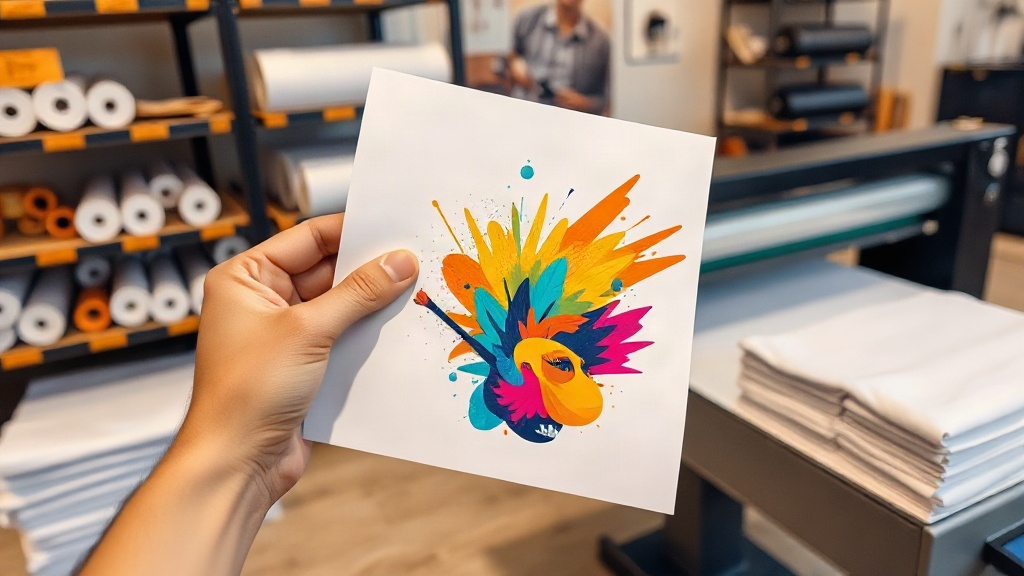
When you need custom apparel quickly, searching for DTF transfers online can feel like a gamble. You want vibrant colors, durable prints, and fast turnaround, but many suppliers fall short. That's why many business owners prefer to find DTF transfers near me. Local suppliers offer the advantage of seeing samples in person, easier communication, and sometimes same-day pickup. But not all local options are created equal. In this guide, I'll walk you through exactly how to evaluate local DTF transfer providers so you can make a confident choice.
Why Local DTF Transfer Suppliers Matter
Working with a nearby supplier isn't just about convenience. It impacts your entire production workflow. When you can visit the facility, you can inspect the quality of their DTF transfers firsthand. You can test different films, powders, and adhesive types. You can also build a relationship that leads to better pricing and priority service. In an industry where timing is everything, having a local partner can be a game changer.
What to Look for in a DTF Transfer Supplier
Before you type "DTF transfers near me" into your search bar, know what makes a supplier reliable. Here are the key factors to evaluate:
Print Quality and Resolution
High-resolution printing is non-negotiable. Ask to see samples of their work, especially on dark and light fabrics. Look for sharp details, smooth gradients, and accurate colors. A good supplier will have a color management system that ensures consistency from screen to print.
Transfer Durability
Your customers expect their shirts to last through many washes. The quality of the adhesive powder and the film used determine durability. Request a wash test or ask about their warranty. A reputable supplier stands behind their product.
Turnaround Time
If you're running a custom apparel business, you know that deadlines are tight. Ask about their standard turnaround and whether they offer rush options. Local suppliers often provide same-day or next-day service, which can be a lifesaver.
Minimum Order Quantities
Some suppliers require large minimums, while others accept single pieces. If you're just starting or handle small orders, flexibility is key. Make sure their MOQ aligns with your needs.
Pricing Transparency
Hidden fees can eat into your profit margin. Request a clear price list that includes film, powder, and any setup costs. Compare this across several local suppliers to find the best value.
How to Find Local DTF Transfer Suppliers
Now that you know what to look for, here’s how to find them:
- Search online using terms like "DTF transfers near me" or "DTF printing services in [your city]."
- Check local business directories and social media groups for printers and decorators.
- Visit trade shows or local networking events for the apparel industry.
- Ask other business owners in your area for recommendations.
Once you have a shortlist, visit their facilities if possible. Seeing their operation in person gives you a sense of their professionalism and capability.
Comparing Local vs. Online DTF Transfer Suppliers
While local suppliers have clear benefits, online options are also worth considering. Here's a quick comparison:
Advantages of Local Suppliers
- Personal interaction and better customer service.
- Ability to see and feel samples before ordering.
- Faster shipping or pickup, reducing lead times.
- Support for your local economy.
Advantages of Online Suppliers
- Often lower prices due to scale.
- Wider range of products and customization options.
- Convenience of ordering from anywhere.
However, online suppliers may have longer shipping times, less personalized support, and you can't inspect quality in person. For many businesses, a mix of both works best, but local remains a strong choice for core needs.
Questions to Ask Before Placing an Order
When you contact a potential supplier, ask these questions to assess their suitability:
- What is your typical turnaround time for single and bulk orders?
- Can I see samples of your DTF transfers on different fabric types?
- What is your minimum order quantity?
- Do you offer color matching or custom color profiles?
- What is your return or replacement policy for defective transfers?
- Do you provide design assistance or artwork setup?
These questions will help you gauge their expertise and customer service.
Red Flags to Watch Out For
Not all local suppliers are reliable. Be cautious if you encounter:
- Very low prices that seem too good to be true.
- Unwillingness to provide samples or references.
- Poor communication or slow responses.
- Lack of experience or unclear answers to technical questions.
- No warranty or guarantee on their products.
Trust your instincts. If something feels off, look elsewhere.
How to Test DTF Transfer Quality
Once you receive samples, don't just look at them. Perform these simple tests:
Wash Test
Wash a sample transfer on a garment in a standard cycle with regular detergent. Check for fading, cracking, or peeling after the first wash and after several washes.
Stretch Test
Stretch the printed area to see if the transfer cracks or loses adhesion. Good DTF transfers should flex with the fabric without damage.
Adhesion Test
Try to peel the transfer off. It should be firmly bonded to the fabric. If it lifts easily, the adhesive isn't adequate.
Color Fastness
Rub the transfer with a white cloth to see if any color transfers. This indicates poor curing or low-quality inks.
Making the Final Decision
After evaluating all factors, choose the supplier that offers the best balance of quality, price, and reliability. Remember that the cheapest option isn't always the most cost-effective if it leads to customer complaints or reprints. A slightly higher price from a trusted local supplier can save you money in the long run.
Building a long-term relationship with a local DTF transfer provider can streamline your production and help you grow your business. You'll enjoy priority service, insider tips, and a partner who understands your specific needs.
Frequently Asked Questions
How much do DTF transfers cost?
The cost varies based on size, quantity, and complexity. On average, you might pay between $1 and $5 per transfer for standard sizes. Bulk orders typically reduce the unit price. Local suppliers may have different pricing structures, so it's wise to get quotes from several.
Can DTF transfers be used on any fabric?
DTF transfers work best on cotton, polyester, and blends. They can also be applied to other materials like nylon and leather, but results may vary. Always test on a sample fabric first.
How do I store DTF transfers?
Keep transfers in a cool, dry place away from direct sunlight. Excessive heat or humidity can affect the adhesive. Store them flat and use them within six months for best results.
What equipment do I need to apply DTF transfers?
You'll need a heat press capable of reaching 300°F to 320°F, with even pressure. A standard clamshell or swing-away press works well. Make sure to use a Teflon sheet or parchment paper to protect the transfer during pressing.
How long do DTF transfers last?
With proper application and care, DTF transfers can last for many washes, often up to 50 or more. The durability depends on the quality of the transfer and the washing conditions. Using cold water and air drying can extend the life.
Final Thoughts
Finding the right DTF transfer supplier near you takes a bit of research, but the payoff is worth it. You'll get faster turnaround, better communication, and the peace of mind that comes from knowing exactly what you're buying. Use the tips in this guide to evaluate local options and make an informed decision. Your customers will notice the difference in quality, and your business will thrive.