
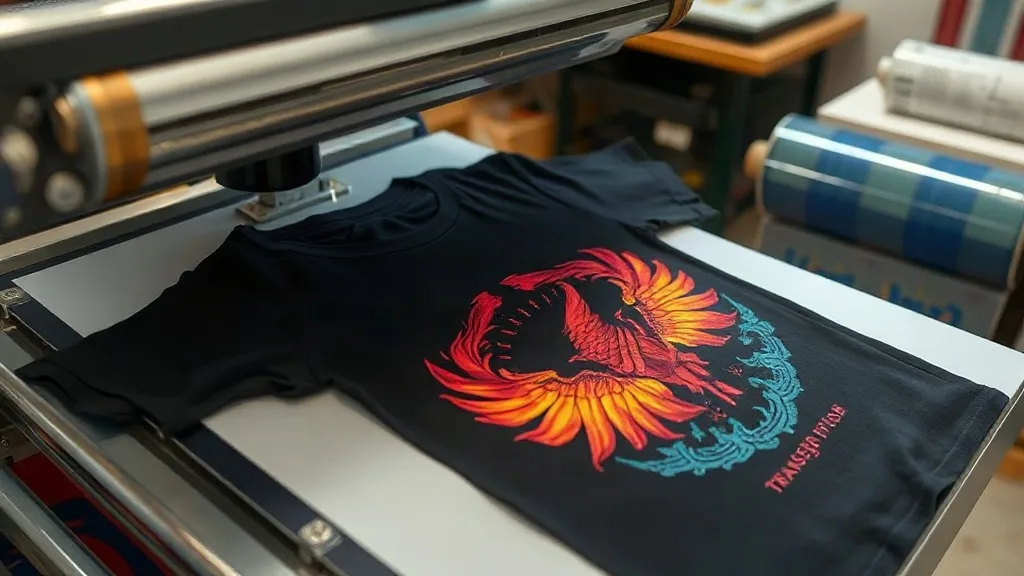
If you've been exploring custom apparel printing, you've likely encountered the term dtf (Direct to Film). This innovative technique is rapidly gaining popularity among hobbyists and professionals alike for its versatility and vibrant results. Unlike traditional methods that require specific fabrics or extensive setup, dtf transfers offer a streamlined way to produce full-color designs on a wide range of materials. In this guide, we'll walk you through everything you need to know to get started with DTF printing, from the basics to pro tips for flawless application.
What Are DTF Transfers?
DTF stands for Direct to Film. It's a printing process where your design is printed onto a special PET film using water-based inks, then coated with a hot-melt adhesive powder. Once the powder is cured, the transfer is ready to be applied to fabric using a heat press. The magic happens when heat and pressure bond the design permanently to the garment.
The key difference between DTF and other methods like DTG (Direct to Garment) or vinyl is that DTF doesn't require pre-treatment of the fabric, and it works on virtually any material, including cotton, polyester, blends, and even leather. This makes dtf transfers a go-to solution for complex designs with fine details, gradients, and photographic elements.
Why Choose DTF Transfers?
There are several compelling reasons to consider DTF for your next project:
- Versatility: Works on a wide range of fabrics and colors, including dark garments, without the need for separate white ink layers.
- Durability: The prints are stretchable, crack-resistant, and can withstand repeated washing when applied correctly.
- Cost-effective: No need for expensive pre-treatment equipment or specialized inks. DTF films and powders are relatively affordable.
- Detail retention: Ideal for intricate designs, small text, and high-resolution images.
- Speed: Once you have a heat press, you can produce finished garments quickly, making it great for small businesses and on-demand printing.
How to Apply DTF Transfers: Step-by-Step
Applying a DTF transfer is straightforward, but following the correct steps ensures a professional, long-lasting result. Here's what you need to do:
1. Prepare Your Workspace and Materials
You'll need a heat press, your DTF transfer, the garment, and a protective sheet (like parchment paper or a Teflon sheet). Ensure your heat press is set to the recommended temperature, typically around 300-325°F (150-160°C). Pre-press the garment for a few seconds to remove moisture and wrinkles.
2. Position the Transfer
Place the DTF transfer onto the garment with the printed side facing up. The adhesive side should be in contact with the fabric. If you're using a film with a clear backing, the design will appear reversed; that's normal.
3. Apply Heat and Pressure
Cover the transfer with your protective sheet. Apply medium to high pressure for about 10-15 seconds. The exact time and temperature can vary depending on the film manufacturer, so always check their instructions. For best results, use a pressure of around 4-6 bar.
4. Peel the Film
After pressing, allow the transfer to cool completely before peeling off the film. This is called a "cold peel." Slowly peel the film from one corner. If any part of the design lifts, lay the film back down and press again for a few seconds.
5. Post-Press for Durability
For added durability, especially on stretchy fabrics, cover the design with the protective sheet and press again for 5-10 seconds. This helps the adhesive fully bond with the fibers.
Common Mistakes to Avoid
Even with a simple process, beginners often encounter issues. Here are some pitfalls and how to avoid them:
- Insufficient pressure: If the pressure is too low, the transfer won't adhere properly. Increase pressure and ensure your press is calibrated.
- Wrong temperature: Too hot and the film may scorch; too cold and the adhesive won't melt. Use a temperature gun to verify.
- Peeling too soon: Always wait for the transfer to cool. Peeling while hot can cause the design to stretch or tear.
- Not pre-pressing: Moisture in the fabric can create steam and prevent proper adhesion. Always pre-press.
- Using the wrong film: Ensure your DTF film is compatible with your printer and ink type. Cheap films can lead to poor results.
DTF vs. Other Printing Methods
How does DTF stack up against DTG, screen printing, and vinyl? Let's compare:
- DTG: Best for 100% cotton, but requires pre-treatment and can be costly for small runs. DTF works on more fabrics and has lower setup costs.
- Screen Printing: Economical for large orders but not for complex designs with many colors. DTF excels at full-color, detailed prints.
- Vinyl: Great for simple, single-color designs but limited in detail. DTF handles gradients and photos effortlessly.
For many small businesses and crafters, DTF offers the best balance of quality, versatility, and cost.
Tips for Professional Results
To elevate your DTF game, consider these expert tips:
- Use high-quality films and powders: Not all supplies are created equal. Invest in reputable brands for consistent results.
- Maintain your printer: Regular cleaning and maintenance prevent clogged nozzles and ensure vibrant prints.
- Test on scrap fabric: Before pressing onto a final garment, do a test press to dial in your settings.
- Store transfers properly: Keep unused transfers in a cool, dry place to prevent the adhesive from absorbing moisture.
- Wash inside out: Advise your customers to wash garments inside out in cold water and avoid harsh detergents to prolong the life of the print.
Frequently Asked Questions
Can I use DTF transfers on dark colored shirts?
Absolutely. DTF transfers include a white ink layer that acts as a base, allowing vibrant colors to show up brightly on dark fabrics. This is one of the main advantages over DTG, which often requires a white underbase.
How long do DTF prints last?
When applied correctly and cared for properly, DTF prints can last as long as the garment itself. They are resistant to cracking, peeling, and fading. Following the washing instructions is key to longevity.
Do I need special equipment for DTF printing?
To create your own DTF transfers, you need a DTF printer, DTF ink, PET film, and adhesive powder, plus a heat press for application. However, if you're just applying pre-made transfers, you only need a heat press.
What fabrics work best with DTF?
DTF works on almost any fabric, including cotton, polyester, nylon, leather, and blends. It's particularly useful for poly-cotton blends where other methods may struggle.
Is DTF cost-effective for small businesses?
Yes, DTF has a low cost per print compared to DTG or screen printing for small to medium runs. The equipment investment is moderate, and you can produce one-off items without minimum orders.
With its versatility, durability, and ease of use, DTF printing is a game-changer for custom apparel. Whether you're a hobbyist or a business owner, mastering dtf transfers can open up new creative and commercial opportunities. Start experimenting today and see the difference for yourself.