
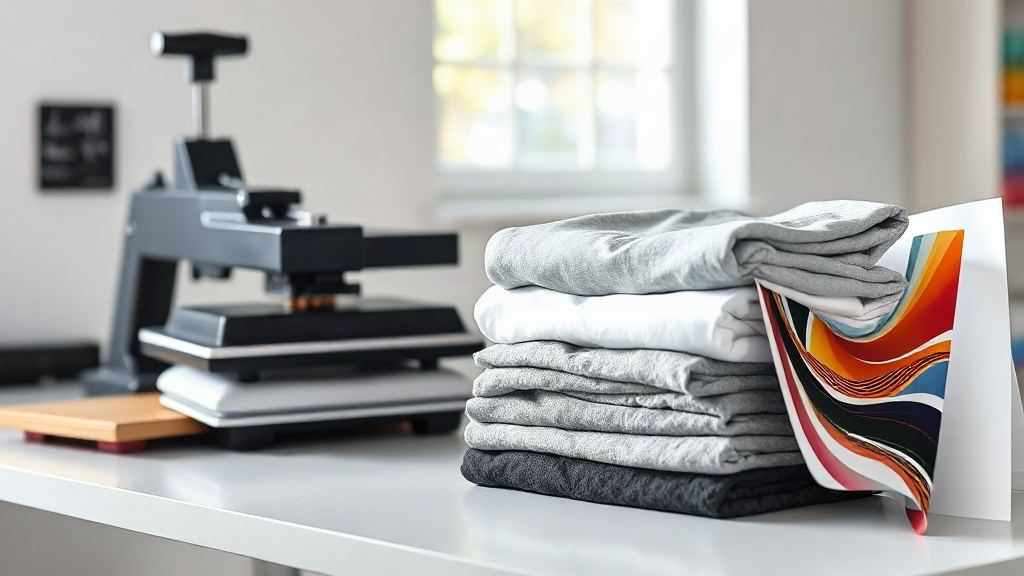
When you're creating custom apparel, the difference between a print that wows and one that peels often comes down to the blank you choose. Smart blanks are engineered to work seamlessly with DTF transfers, giving you vibrant colors, soft hand feel, and long-lasting durability. But not all blanks are created equal. In this guide, we'll explore why smart blanks and brands like Shaka Wear are game-changers for your DTF projects, and how to get professional results every time.
What Are Smart Blanks and Why Do They Matter for DTF?
Smart blanks are garments specifically designed with the needs of heat transfer printing in mind. They feature optimized fabric blends, tight weaves, and consistent surface textures that allow DTF transfers to adhere evenly and cure properly. Unlike standard blanks, which may have inconsistent dye lots or rough textures, smart blanks undergo rigorous quality control to ensure they meet the demands of modern printing techniques.
Why does this matter? Because DTF transfers rely on a thermoplastic adhesive that bonds to the fabric under heat and pressure. If the fabric is too loose, too stretchy, or has a coating that repels the adhesive, your transfer will crack, peel, or fade. Smart blanks eliminate these variables, giving you a reliable canvas for your designs.
Key Features of Smart Blanks
- Optimized fabric blends: Typically a mix of cotton and polyester (often 50/50 or 60/40) that balances softness with durability and ink receptivity.
- Pre-shrunk and stabilized: Minimizes shrinkage and warping during pressing, so your design stays true to size.
- Smooth, tight weave: Provides a flat surface for the transfer to adhere uniformly, preventing texture show-through.
- Consistent dyeing: Ensures colorfastness and reduces the risk of dye migration, which can ruin light-colored transfers.
When you pair smart blanks with high-quality DTF transfers from a trusted supplier like dtfproprint.com, you set yourself up for success. But selecting the right blank is just the first step. Let's dive into the specifics of choosing the best garments for your DTF projects.
Why Shaka Wear Stands Out for DTF Printing
Shaka Wear has become a go-to brand for screen printers and DTF enthusiasts alike. Their garments are known for their heavyweight construction, superior stitch quality, and consistent fit. But what makes Shaka Wear particularly well-suited for DTF transfers?
Fabric Composition and Quality
Most Shaka Wear tees are made from 100% cotton or a cotton-poly blend, depending on the model. Their 6.0 oz and 7.5 oz heavyweight tees are popular because they provide a sturdy base that won't stretch out during pressing. The tight knit of the fabric prevents the transfer from sinking in, which can cause a dull, muted appearance. Instead, the design sits on top of the fabric, resulting in crisp lines and vibrant colors.
Consistency Across Batches
One of the biggest challenges in DTF printing is consistency. If you order blanks from different batches, you might find variations in fabric thickness, color, and even size. Shaka Wear maintains strict quality control, so you can reorder the same style and get the same results. This reliability is crucial for businesses that fulfill large orders or need to reproduce a design months later.
Comfort and Durability
Beyond printability, Shaka Wear garments are comfortable to wear and hold up well after repeated washing. The fabric is soft yet durable, and the stitching reinforces stress points. When you apply a DTF transfer correctly, the print will flex with the fabric without cracking, thanks to the quality of both the blank and the transfer.
If you're looking for a blank that combines professional-grade printability with retail-ready appeal, Shaka Wear is a top contender. But how do you ensure your DTF transfers adhere perfectly to these blanks? Let's walk through the process.
How to Achieve Perfect DTF Transfers on Smart Blanks
Even with the best smart blanks and Shaka Wear tees, improper application can ruin your print. Follow these steps for flawless results.
Step 1: Prepare Your Workspace and Materials
Before you start, gather everything you need: your heat press, DTF transfers, parchment paper or a Teflon sheet, and a lint roller. Ensure your heat press is calibrated and reaches the correct temperature. For most DTF transfers, you'll need to press at 325°F (160°C) for 15 seconds with medium pressure. However, always check the instructions from your transfer supplier, as different films and adhesives may require slight adjustments.
Step 2: Pre-Press the Garment
Pre-pressing is a step many people skip, but it's essential. It removes moisture and wrinkles from the fabric, creating a smooth surface for the transfer. Set your heat press to the pressing temperature and press the garment for 5-7 seconds. This also helps to shrink the fabric slightly if it hasn't been pre-shrunk, reducing the chance of the design distorting after washing.
Step 3: Position and Press the Transfer
Place your DTF transfer on the garment with the design facing up. If you're using a transfer with a carrier film, make sure the adhesive side is against the fabric. Cover the transfer with parchment paper or a Teflon sheet to protect your heat press platen. Press for the recommended time, usually 15 seconds, with medium pressure. Avoid over-pressing, as too much heat can cause the adhesive to spread and the design to blur.
Step 4: Peel and Post-Press
After pressing, allow the transfer to cool completely before peeling off the carrier film. This is known as a cold peel. Peeling while hot can cause the design to lift or stretch. Once peeled, you may need to post-press for a few seconds to ensure the adhesive fully cures. Some DTF transfers require a second press with parchment paper for 5-10 seconds. Check your supplier's guidelines.
Step 5: Quality Check and Care Instructions
Inspect the print for any lifting edges or bubbles. If you spot issues, you can often re-press for a few seconds. Once satisfied, inform your customer to wait 24 hours before washing, and to turn the garment inside out and wash in cold water. This extends the life of the print.
Common Pitfalls When Using DTF Transfers on Blanks
Even with smart blanks, problems can arise. Here are some common issues and how to avoid them.
Dye Migration
Dye migration occurs when the dye from the fabric sublimates into the transfer adhesive, causing discoloration. This is more common with polyester-rich fabrics and dark colors. To prevent it, use smart blanks that are designed to resist dye migration, or choose a transfer with a blocker layer. Shaka Wear offers certain styles that are less prone to this issue.
Poor Adhesion
If your transfer peels after washing, it's likely due to insufficient pressure, incorrect temperature, or a fabric that wasn't properly pre-pressed. Always follow the transfer manufacturer's instructions and test on a scrap piece of fabric before pressing your final garment.
Texture Show-Through
On ribbed or heavily textured fabrics, the transfer may not adhere evenly, leading to a bumpy appearance. Sticking with smooth, tight-weave smart blanks like those from Shaka Wear minimizes this risk.
Warping or Shrinkage
Cheap blanks may shrink or warp when exposed to heat, causing the design to distort. Pre-shrunk smart blanks are your best defense. Always check the fabric content and care labels before purchasing.
Elevate Your DTF Game with the Right Blanks and Transfers
The synergy between smart blanks, Shaka Wear, and high-quality DTF transfers cannot be overstated. By choosing garments that are engineered for heat printing, you reduce the margin for error and produce professional-grade apparel that delights customers. Whether you're a small business owner or a DIY enthusiast, investing in the right materials pays off in durability, appearance, and customer satisfaction.
At dtfproprint.com, we specialize in providing top-tier DTF transfers that work beautifully with smart blanks and Shaka Wear garments. Our transfers are known for their vibrant colors, soft feel, and exceptional wash durability. Pair them with the right blanks, and you'll achieve results that look like they came straight from a professional print shop.
Ready to take your custom apparel to the next level? Explore our collection of DTF transfers and discover why smart blanks and Shaka Wear are the preferred choice of printing professionals. With the right combination, you'll create prints that not only look stunning but also stand the test of time.
Frequently Asked Questions
What exactly are smart blanks, and how do they differ from regular blanks?
Smart blanks are garments specifically engineered for heat transfer printing. They feature optimized fabric blends, tight weaves, and consistent dyeing to ensure DTF transfers adhere properly and last long. Regular blanks may lack these characteristics, leading to inconsistent results.
Can I use DTF transfers on 100% cotton Shaka Wear tees?
Absolutely. Shaka Wear offers many 100% cotton options that work great with DTF transfers. The key is to follow the pressing instructions and pre-press the garment to remove moisture. Cotton provides a natural surface that holds the adhesive well.
How do I prevent dye migration when printing on dark polyester blends?
To prevent dye migration, choose smart blanks with a dye-blocking layer or use DTF transfers that include a migration blocker. Additionally, lower the pressing temperature slightly and avoid over-pressing, as excessive heat can accelerate dye sublimation.
What is the best temperature and time for pressing DTF transfers on Shaka Wear?
For most DTF transfers on Shaka Wear garments, press at 325°F (160°C) for 15 seconds with medium pressure. However, always refer to the specific instructions provided by your transfer supplier, as formulations can vary.
How should I care for garments with DTF transfers to ensure longevity?
Wait 24 hours after pressing before washing. Turn the garment inside out and wash in cold water with mild detergent. Avoid bleach and fabric softeners, and tumble dry on low or hang dry. Following these steps will keep your DTF transfers looking vibrant for years.