
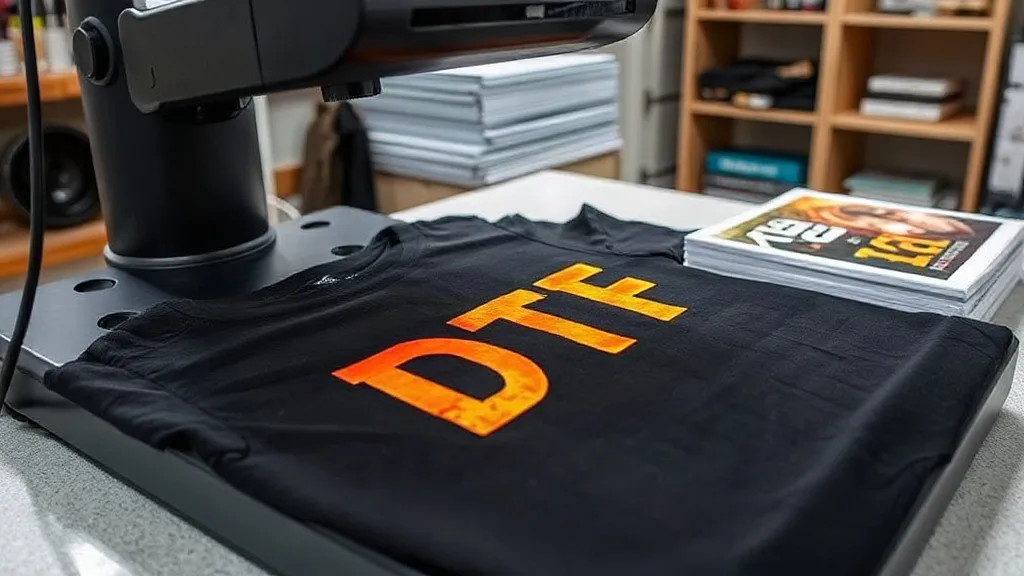
If you've been exploring custom apparel printing, you've likely encountered dtf transfers. This innovative technology is changing the way designers, small business owners, and hobbyists approach fabric printing. Unlike traditional methods that require specialized equipment and messy setups, DTF (Direct to Film) offers a streamlined, cost-effective solution for vibrant, durable prints on almost any fabric. In this guide, we'll break down everything you need to know about DTF transfers, from the basics to advanced tips, so you can achieve professional results right from your home or studio.
What Are DTF Transfers?
DTF stands for Direct to Film. It's a printing process where your design is printed onto a special PET film using water-based inks, then coated with a hot-melt adhesive powder. Once the powder is melted, the transfer is ready to be heat-pressed onto fabric. This method allows for high-resolution, full-color prints without the need for pre-treatment or weeding, making it incredibly efficient for both small and large orders.
The dtf process is versatile: it works on cotton, polyester, blends, and even treated nylon. That means you're not limited to light-colored or 100% cotton garments like with DTG or sublimation. Plus, the prints are stretchable and wash-durable when applied correctly.
Why Choose DTF Transfers?
There are several compelling reasons to consider DTF for your next project:
- No color limitations: Print gradients, photographs, and fine details with ease. DTF handles full-color designs beautifully.
- Fabric flexibility: Works on almost any fabric, including dark colors and synthetic blends.
- Cost-effective for small batches: Unlike screen printing, you don't need to order in bulk to get a good price per unit.
- Easy to use: With a heat press and a DTF transfer, you can apply designs in minutes without messy powders or liquids.
These advantages make DTF a favorite among crafters and businesses alike.
How to Apply DTF Transfers: Step-by-Step
Applying a DTF transfer is straightforward, but following the correct steps ensures a long-lasting, professional finish. Here's a simple guide:
- Preheat your heat press to the recommended temperature (usually around 300°F to 320°F).
- Pre-press the garment for a few seconds to remove moisture and wrinkles.
- Place the transfer on the fabric with the printed side facing up.
- Press with medium pressure for 10-15 seconds.
- Peel the film while it's still hot (or cold, depending on the film type).
- Post-press for another 5 seconds using a Teflon sheet or parchment paper to protect the design.
Always check the instructions provided with your transfers, as times and temperatures may vary slightly.
Common Mistakes to Avoid
Even though DTF is user-friendly, some pitfalls can affect the outcome:
- Insufficient pressure: Too little pressure prevents the adhesive from bonding properly, leading to peeling.
- Wrong temperature: Too hot can scorch the fabric or melt the film; too cold results in poor adhesion.
- Peeling too soon or too late: Follow the recommended peel method (hot vs. cold) for your specific film.
- Not pre-pressing: Moisture in the fabric can cause bubbles or poor adhesion.
By avoiding these mistakes, you'll get consistent, high-quality results.
Finding Quality DTF Transfers Near You
If you're searching for dtf transfers near me, you have options: local print shops, online retailers, or specialized DTF providers. When choosing a supplier, consider print quality, turnaround time, and customer reviews. Many online services offer competitive pricing and fast shipping, making it easy to get professional transfers delivered to your door. For those who prefer a hands-on approach, investing in a DTF printer setup can be worthwhile if you plan to produce transfers regularly.
DTF vs. Other Printing Methods
How does DTF stack up against DTG, screen printing, and sublimation? Here's a quick comparison:
- DTG (Direct to Garment): Great for cotton, but requires pre-treatment and is less vibrant on dark fabrics.
- Screen Printing: Cost-effective for large orders but setup costs are high for small batches.
- Sublimation: Only works on polyester and light-colored fabrics; DTF is more versatile.
DTF shines for its versatility and low entry cost, making it an excellent choice for startups and custom projects.
Frequently Asked Questions
How long do DTF transfers last?
With proper application and care, DTF prints can last 50+ washes without significant fading or cracking. Always wash inside out in cold water and avoid harsh detergents.
Can I use DTF transfers on dark shirts?
Absolutely! DTF transfers include a white ink layer that makes colors pop on dark fabrics. No need for special pre-treatment.
Do I need a special printer for DTF?
Yes, DTF requires a dedicated DTF printer and supplies. However, you can also buy pre-printed transfers from suppliers, which is ideal for beginners.
What fabrics work best with DTF?
DTF adheres well to cotton, polyester, blends, and treated nylon. It's not recommended for untreated nylon or fabrics with special coatings.
How do I store DTF transfers?
Store unused transfers in a cool, dry place away from direct sunlight. Keep them flat to avoid creases.
DTF transfers offer a world of possibilities for custom apparel. Whether you're a hobbyist or a business owner, this technology provides a reliable, cost-effective way to bring your designs to life. For high-quality DTF transfers and supplies, visit dtfproprint.com today.