
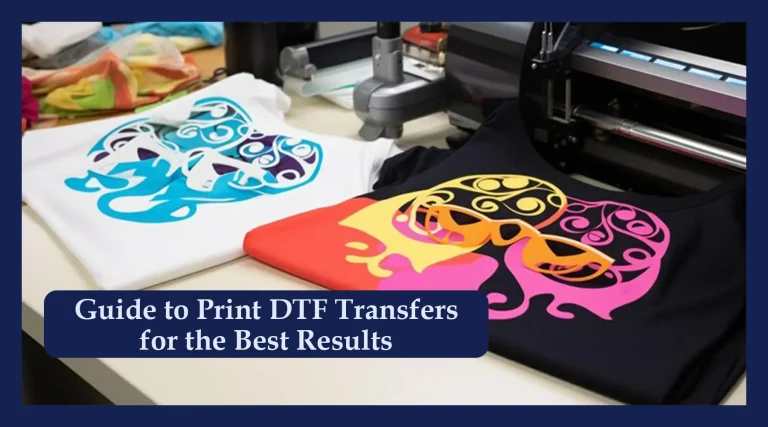
DTF transfers have transformed garment customization, letting designers reproduce intricate artwork with vibrant color and crisp detail. This modern technique, also known as direct-to-film transfers, captures fine detail on a wide range of fabrics. For designers, the process offers bold, color-rich results while remaining adaptable to many garment types, from tees to outerwear, and it scales well from small runs to larger collections. Understanding the workflow from artwork to final print helps you plan reliable production with consistent color fidelity, stable adhesion, and predictable finishes that customers can trust. As you plan your projects, consider factors like artwork preparation, media choices, and fabric compatibility, which all influence how smoothly the transfer sits on the garment and how it stands up to wear.
Viewed through the lens of search intent, the approach can be described as a film-based transfer technique for textiles, a modern form of garment decoration that uses a printed image on a transfer sheet. After printing, a bonding powder is added and cured, creating a durable, washable finish that transfers artwork from the film to fabric. Many designers also think of this as a high-definition textile print-on-transfer process, a method that pairs digital design with heat-activated adhesion. Compared to traditional methods, this system emphasizes color fidelity, soft hand feel, and long-lasting performance on a variety of fabrics.
DTF Transfers: What They Are and Why They Revolutionize Garment Design
DTF transfers, short for Direct-To-Film transfers, offer a bridge between digital art and apparel. The process starts with artwork printed onto a specialized transfer film using water-based inks designed for high color saturation and fine detail. After printing, a powder adhesive is applied to the film and cured, creating a durable base that can be transferred to a wide range of fabrics.
Because the method supports intricate designs and vibrant color, it reshapes design workflows for designers and decorators. DTF transfers enable rapid iteration, apply to diverse fabrics—from cotton to blends—and produce durable garment printing that withstands washing when properly cured and heat pressed.
DTF Printing Essentials: Equipment, Inks, and Materials for Quality Results
Essential equipment for DTF printing includes a reliable wide-format printer, a supply of clear transfer film, a coat of powder adhesive, curing equipment, and a compatible heat press. The inks should be water-based for vivid color saturation and safe handling, while the film must handle fine detail and multiple passes. Understanding these components helps ensure true DTF printing quality.
Material selection impacts results: choose fabrics that are compatible with the process, pre-press prep is important, and colors should be calibrated with appropriate profiles. With careful setup, you can achieve durable garment printing that survives daily wear and repeated washing.
The DTF Transfer Process: From Artwork to Film to Fabric
The DTF transfer process begins with preparing the artwork and printing it onto special transfer film using DTF printing techniques. A powder adhesive is then spread over the surface and cured, creating a bond-ready layer that will later cling to the fabric when heat-pressed.
Next, the transfer is placed onto the garment, covered with a protective sheet, and pressed at a precise temperature, time, and pressure. The result is a crisp, high-color transfer that can handle complex gradients and fine lines, illustrating why the DTF transfer process is favored for both artful designs and practical, durable results.
Design for Durability: Achieving Vibrant Color and Wash-Fast Prints
Designing for durability means planning color blocks, outlines, and separations to ensure readability on different fabrics. By leveraging DTF printing’s color fidelity, designers can create vibrant, wash-fast prints that remain sharp after multiple cycles of wear and laundering, contributing to durable garment printing.
Consider fabric blends, texture, and ink laydown when designing. Simple vector shapes with bold contrast tend to hold up best, while fine details may require higher resolution artwork and optimized color profiles during DTF printing to maintain vibrancy over time.
Mastering Heat Pressing for Flawless DTF Transfers
Mastering heat pressing involves selecting the right temperature, dwell time, pressure, and cooling procedures for each fabric type. For DTF transfers, typical guidelines include moderate temperatures, steady pressure, and a brief dwell to activate the adhesive without scorching the film or garment.
To prevent common issues, use a non-stick sheet, avoid sliding the transfer, and verify fabric pre-press conditions. Consistency in heat pressing ensures uniform color, crisp edges, and a reliable bond, all of which contribute to durable garment printing.
Troubleshooting and Best Practices for Long-Lasting Garment Printing
Troubleshooting starts with assessing film quality, adhesive coverage, and curing status. If colors look dull or outlines blur, check the artwork resolution, film transparency, and whether the transfer was properly cured before pressing.
Best practices include testing on representative fabrics, maintaining a documented process, and following garment care guidelines to maximize longevity. Regular quality checks, calibration of heat press settings, and proper storage of films help achieve long-lasting, durable garment printing.
Frequently Asked Questions
What are DTF transfers, and how do they work in direct-to-film printing?
DTF transfers, or direct-to-film transfers, are a modern garment decoration method. In DTF printing, artwork is printed onto a special transfer film using water-based inks, then a powder adhesive is applied and cured. The design is heat pressed onto fabric, delivering vibrant color, fine detail, and durable garment printing that withstands washing.
Can you describe the DTF transfer process from design to finished garment?
Start with a prepared design, print it onto the transfer film with DTF printing, apply and cure the powder adhesive, align the film on the garment, and use a heat press to transfer the design. This sequence results in a durable garment printing with strong color and detail.
Which fabrics are best suited for DTF transfers and durable garment printing?
DTF transfers work on a wide range of fabrics, including cotton, cotton-poly blends, and many synthetics, enabling durable garment printing across apparel types. For best results, confirm fabric compatibility with the transfer film and use proper heat pressing settings.
What equipment do I need to perform DTF transfers and heat pressing?
Essential gear includes a DTF printer and transfer film, a powder adhesive with curing setup, a heat press, and basic supplies like heat-resistant tape and release sheets. Optional items such as a lint roller and desiccant can help prep garments and extend film life.
How should I care for garments with DTF transfers to maximize durability after washing?
Care for DTF-printed garments by turning them inside out, washing in cold water on a gentle cycle, and avoiding bleach. Dry on low heat or air dry, and avoid ironing directly over the print to preserve color and detail.
What are common mistakes in DTF printing and transfer, and how can I avoid them?
Common issues include incorrect print settings that affect color/detail, insufficient curing of the adhesive, and improper heat-press temperature or time. Avoid them by following DTF printing guidelines, verifying adhesive curing, testing with sample runs, and ensuring precise alignment during the heat press transfer.
| Key Point | Summary | Notes |
|---|---|---|
| Definition | DTF transfers are a modern method of decorating textiles (Direct-To-Film transfers). | Artwork is printed on transfer film using water-based inks for high color saturation and fine detail. |
| Process Components | Printed artwork on transfer film; powder adhesive applied and cured to create a durable transfer. | Powder adhesive is applied after printing and cured to enable transfer to fabric. |
| Fabric Versatility | Applicable to a wide range of fabrics. | Works across various garment types and textures. |
| Visual Quality | Delivers vibrant color and crisp detail. | High color saturation and fine detail in the final transfer. |
| Audience/Impact | A game changer for designers and decorators seeking durable garments. | Enables turning compelling designs into long-lasting garments. |
| Guide Scope | Core concept, transfer process steps, design/production tips, and best practices. | Includes wash-durability considerations and finishing best practices. |
Summary
DTF transfers have transformed garment customization by enabling designers and decorators to apply vibrant, durable artwork to a wide range of fabrics. As a modern direct-to-film method, DTF transfers begin with artwork printed onto a special transfer film using water-based inks designed for high color saturation and fine detail. After printing, a powder adhesive is applied to the film and cured, creating a durable transfer that can be applied to various fabrics. This results in high color fidelity and crisp detail that stands up to repeated washing. The DTF approach supports a flexible design-to-garment workflow with practical design and production tips and best practices to ensure finished garments stay vibrant wash after wash.