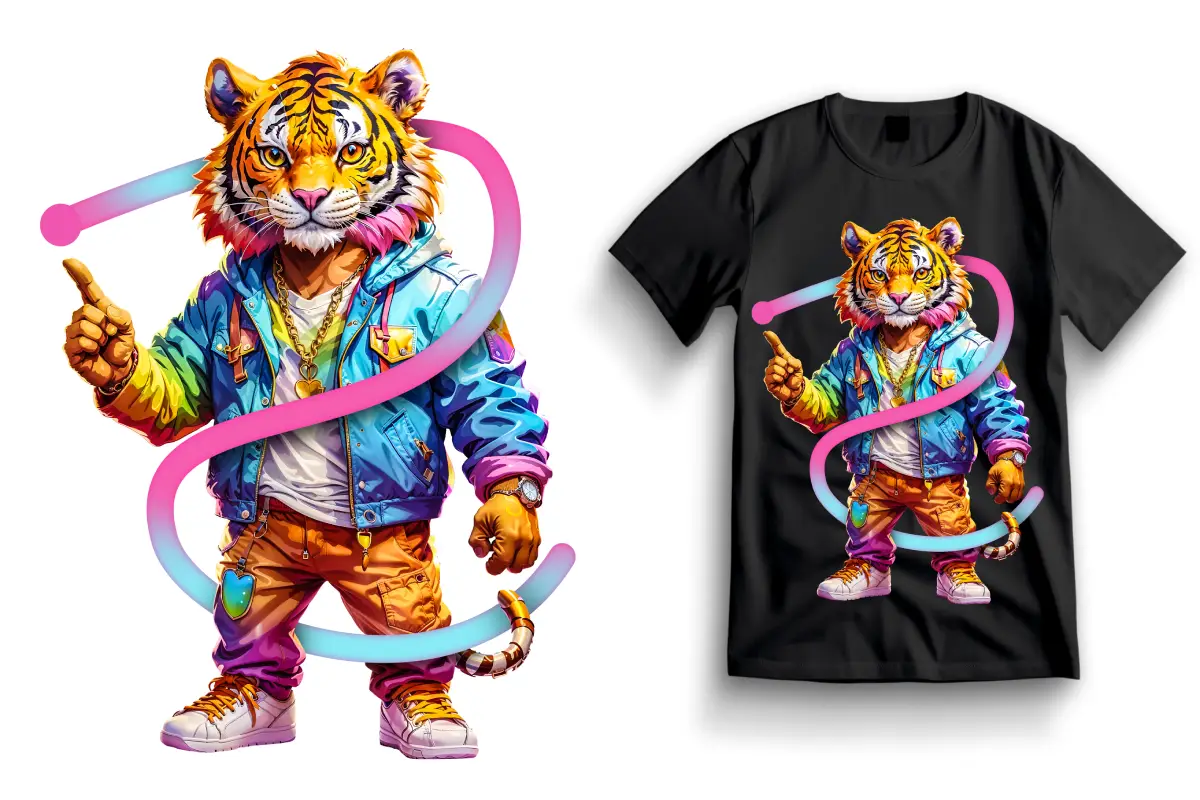
The fast-paced world of custom apparel demands printing solutions that do not compromise on speed, detail, or durability. For modern clothing brands, independent designers, and commercial print shops alike, high-quality
dtf transfers have emerged as the absolute gold standard for fabric decoration. This cutting-edge method has fundamentally changed how we conceptualize garment customization, making it easier than ever to translate intricate digital artwork onto tangible textiles without the high setup barriers of yesteryear.
Deconstructing the Technology Behind Direct-to-Film Systems
To implement this method successfully within a commercial workflow, it helps to understand the underlying science of
DTF applications. Unlike traditional screen printing which relies on thick stencils and heavy plastisol inks layered on top of fabric, film transfer technology relies on a multi-layered chemical bonding process that ensures maximum adherence and flexibility.
The workflow utilizes high-resolution digital printers equipped with specialized piezo printheads. These heads deposit vibrant, water-based cyan, magenta, yellow, and black inks onto a translucent film carrier coated with a release agent. Immediately following the color pass, a heavy layer of white ink is printed directly over the design to serve as an opaque base coat. While the ink is still wet, an advanced thermoplastic hot-melt powder is applied to the surface. Once cured through a specialized heat tunnel or oven, this powder solidifies into a powerful, flexible adhesive backing that remains completely stable until heat activated.
Operational Advantages of Switching to Film Transfers
Adopting premium film transfers offers immediate, measurable benefits for production managers looking to optimize their daily operations, reduce overhead costs, and elevate the overall quality of their product lines.
- Universal Textile Compatibility: Traditional digital printing methods like Direct-to-Garment are restricted almost entirely to 100% cotton garments. Film transfers eliminate this bottleneck completely, bonding seamlessly to cotton, pure polyester, nylon, canvas, denim, and various synthetic performance blends.
- Drastic Reduction in Labor and Setup Time: There is no need for time-consuming screen burning, color separations, or weeding intricate vinyl sheets. You simply print, cure, and press, saving hours of manual labor on every production run.
- Superior Wash Fastness and Structural Elasticity: The unique polymer blend used in the adhesive powder creates an incredibly stretchy bond. This prevents the printed design from cracking, peeling, or fading, even when applied to high-stretch activewear subjected to rigorous industrial laundering.
- No Staining Pretreatment Required: Because the chemical bonding agent is contained entirely within the transfer powder, garments do not need to be sprayed with liquid pretreatments that often leave visible stains, white rings, or stiff textures on dark fabrics.
The Strategic Importance of Localized Print Logistics
In the print industry, supply chain delays can mean the difference between a highly profitable season and a major logistical failure. This reality explains why a growing number of custom apparel business owners routinely search for reliable
dtf transfers near me to build a resilient, agile, and highly accessible localized production network.
Sourcing your production films from a regional partner dramatically slashes shipping windows from weeks to mere hours. It mitigates the risk of global transit disruptions, customs delays, and unpredictable cargo damage. Furthermore, working with a local supplier allows for face-to-face quality consultations, rapid prototyping, and the ability to fulfill sudden, last-minute rush orders for events or corporate clients without incurring astronomical overnight freight charges.
Meeting the Demands of the Texas Custom Apparel Market
Texas has become a major epicenter for independent fashion houses, sportswear brands, and large-scale corporate merchandise programs. Securing the absolute
best dtf transfer at Houston requires a thorough evaluation of a supplier’s raw material quality, color management systems, and machinery calibration.
The intense Southern heat and high humidity present a unique challenge for decorated apparel. Lower-quality transfers made with cheap inks or coarse adhesive powders will quickly turn brittle, develop a sticky texture, or peel away under high temperatures. Premium transfers engineered specifically for performance use utilize ultra-fine, flexible polyurethanes that allow the fabric to breathe, ensuring that promotional clothing, work uniforms, and athletic gear remain comfortable, vibrant, and perfectly intact throughout their entire lifecycle.
Maximizing Commercial Efficiency via Bulk Local Ordering
For print shops aiming to expand their current product offerings without investing thousands of dollars in industrial print machinery, regular maintenance, and climate-controlled production rooms, utilizing an expert
Houston dtf transfer service provides an incredibly scalable business solution.
By leveraging a dedicated local production facility, businesses can take full advantage of gang sheet printing. This process allows you to group dozens of different logos, neck labels, and large graphic designs onto a single continuous roll of film. This maximizes material efficiency, reduces individual unit costs to a fraction of traditional methods, and provides you with an on-demand inventory that can be applied to blank garments in under fifteen seconds, significantly boosting your company’s liquid cash flow.
The Professional Blueprint for Perfect Heat Integration
While the internal technology required to manufacture premium transfer films is highly sophisticated, the final application process is exceptionally straightforward. To achieve retail-ready results that match international brand standards, follow this precise professional workflow:
- Equipment Calibration: Set your commercial heat press to a stable temperature ranging between 300°F and 320°F (150°C to 160°C). Always use an external infrared thermometer to confirm that the heat platen does not have cold spots.
- The Pre-Press Moisture Purge: Position your blank apparel on the lower platen and press it flat for 4 to 5 seconds. This critical step removes all ambient moisture and wrinkles trapped within the fabric fibers, which could otherwise prevent the adhesive from bonding perfectly.
- Accurate Design Placement: Align the printed transfer film carefully over the desired placement zone, ensuring the ink and powder side rests directly against the fabric.
- The Primary Heat Cycle: Clamp the press down with medium to firm pressure for a precise duration of 12 to 15 seconds, allowing the hot-melt powder to completely liquefy and fuse with the textile weave.
- Controlled Film Removal: Depending on the specific film specifications provided by your supplier, allow the garment to cool completely to room temperature for a cold-peel application, or remove the film smoothly in one fluid motion if utilizing an advanced hot-peel system.
- The Final Finishing Press: Place a sheet of protective silicone or premium parchment paper over the exposed design and press for an additional 5 seconds. This final step drives the ink deeper into the textile fibers, eliminates any leftover glossy sheen, and yields a high-end, soft-matte retail finish.
Frequently Asked Questions
Can digital film transfers be applied to sublimated polyester garments?
Yes, premium transfers can be applied to sublimated fabrics. However, to prevent dye migration (where the polyester fabric dye bleeds into the white ink of the transfer), it is highly recommended to use a specialized transfer film featuring a carbon-infused anti-migration adhesive layer that blocks the fabric dyes from rising when heated.
What is the ideal way to store unused printed transfer films?
Unused prints should be kept flat inside sealed, airtight plastic bags to protect them from ambient moisture, dust, and debris. Store them in a temperature-controlled environment away from direct sunlight. When kept under these optimal conditions, high-quality cured films can maintain their full adhesive strength for up to a year.
Why do my transfers occasionally peel off after the very first wash cycle?
Premature peeling is almost always caused by improper application parameters. This typically occurs if the heat press did not reach the correct temperature, if insufficient manual pressure was applied during the primary press, or if the garment retained excessive moisture prior to the application step. Using a commercial-grade heat press instead of a home iron eliminates these issues.
How does the breathability of film transfers compare to screen printing?
Because film transfers utilize thin, highly elastic polyurethane adhesive powders rather than thick layers of solid plastisol ink, they offer excellent flexibility. For exceptionally large designs, breaking the artwork up with half-tones, distressed textures, or negative space will maximize the overall breathability and soft feel of the garment.
Achieving Sustainable Growth with Reliable Production Partners
In a commercial landscape where quality defines reputation, partnering with a premier supplier is the most critical decision a business leader can make. Subpar raw materials yield brittle prints that alienate customers, damage your brand image, and drive up material wastage. Choosing Harwin DTF provides your business with uncompromised print precision, immaculate color accuracy, and highly durable material configurations designed to withstand real-world wear. By aligning your creative vision with dependable commercial infrastructure, you can confidently scale your output, optimize your delivery timelines, and secure a dominant position in the custom apparel marketplace.