
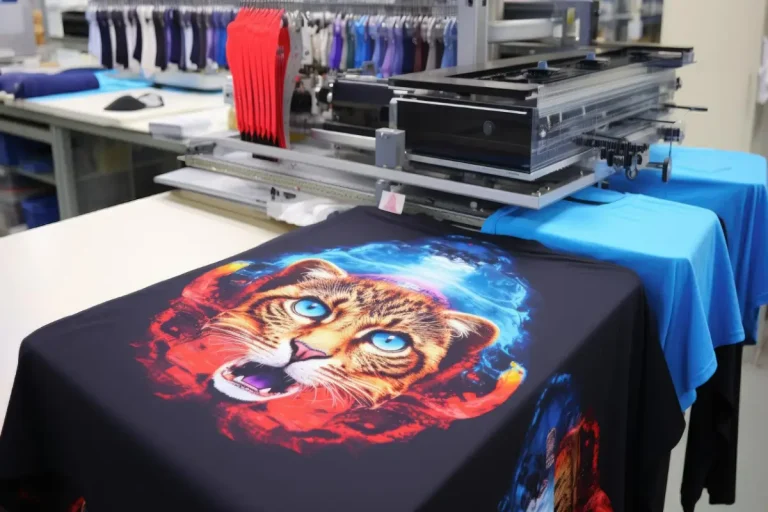
In the fast-paced world of textile decoration, identifying a reliable method to transform creative designs into durable, vibrant apparel is a game-changer for any entrepreneur. Many designers struggle with the limitations of screen printing, such as high setup costs and restrictive color palettes, or the fading issues common in older transfer techniques. This is where the adoption of dtf technology has fundamentally altered the industry landscape. By printing high-resolution designs onto a specialized film that is then cured and heat-pressed, you gain the ability to produce retail-quality garments on-demand without the need for massive inventory or expensive machinery.
For small businesses and independent brands, the flexibility offered by dtf transfers is unmatched. Imagine having the freedom to create a single custom hoodie for a client or a limited-run collection of branded merchandise without worrying about minimum order quantities. This shift toward localized, agile production is exactly what Harwin advocates for when helping creators streamline their workflow. With the right approach to curing and application, this method provides a soft, breathable hand-feel that is often superior to traditional heat transfers, making your finished products feel like premium boutique items.
The Technical Edge of Modern Transfers
To truly excel in custom apparel, you must understand the technical requirements that turn a simple print into a long-lasting garment. Professional-grade dtf transfers are engineered for elasticity and color accuracy. Unlike vinyl, which often feels like a rubber sticker on top of the fabric, these high-quality transfers bond with the fibers during the heat-press process. This creates a finish that is incredibly resistant to cracking, peeling, or fading over time.
The secret to achieving this durability lies in the balance between the adhesive powder and the ink chemistry. When you are exploring the market for dtf transfers near me, it is critical to evaluate the supplier’s curing process. Industrial-grade ovens ensure that the adhesive is melted at a precise temperature, guaranteeing a consistent bond every time. When you use transfers that have been cured correctly, your application process becomes seamless, significantly reducing the likelihood of production errors.
Streamlining Production Without High Overhead
One of the most common mistakes entrepreneurs make is assuming that they need to invest in a full-scale printing factory to be competitive. The reality is that by mastering the use of high-quality transfers, you can maintain a lean operation. This is especially advantageous for brands that rely on dtf as their primary production method, as it eliminates the logistical nightmare of managing screens, squeegees, and chemical waste associated with traditional methods.
A lean production model not only saves on initial capital expenditure but also allows for rapid testing of new designs. If a particular graphic is not performing well in your online store, you haven’t lost money on unsold inventory. You can simply pivot to the next design. Harwin emphasizes that this kind of operational agility is what separates thriving, modern brands from those that struggle to keep up with changing consumer trends.
Best Practices for Flawless Application
Even the finest transfer can fail if the application parameters are ignored. Your heat press is the most important tool in your arsenal when working with these materials. It is not enough to just press the design; you need to achieve consistent pressure and temperature across the entire transfer area. We always recommend creating a production log for different types of fabrics—such as 100% cotton, polyester blends, or nylon—to document exactly what works best for your specific gear.
Another crucial factor is the cooling process. Many beginners try to peel the film immediately after lifting the press, which can cause the ink to lift off the fabric. Letting the garment cool completely allows the adhesive to fully set into the weave of the textile. By integrating these small, disciplined steps into your workflow, you ensure that every product you ship meets the high-quality standards that your customers expect from your brand.
Frequently Asked Questions
Why is this method preferred for low-volume apparel production?
Traditional methods like screen printing require expensive setups for every color and design, making it costly for small orders. dtf is entirely digital, meaning there are no screen costs, making it perfect for small batches or even single-piece orders.
How can I verify the quality of a local printing service?
When searching for dtf transfers near me, always ask for samples on different fabric types. Test these samples by pulling the fabric to check for ink elasticity and putting them through a standard laundry cycle to verify wash durability.
Is special training required to handle these transfers?
While the process is intuitive, it requires attention to detail. Learning how to properly set your heat press and understanding the curing requirements are the most important skills. Harwin provides guidance to help you navigate these technical aspects with confidence.
Can I apply these transfers to materials like hats or bags?
Yes, the versatility is a huge advantage. Because these transfers don’t require the same high-temperature threshold as sublimation, they can be used on a wide range of surfaces, including canvas bags, hats, and even synthetic accessories, provided you use the correct press attachments.
Mastering the art of custom apparel production is a journey of refining your process and focusing on the details that matter most. By embracing the efficiency of high-quality transfers and the technical insights provided by Harwin, you are setting your business on a path to sustainable growth. Take control of your production today, deliver superior quality to your customers, and watch your brand reputation flourish in the competitive apparel market.