
You've probably felt that sinking feeling when a dtf transfers job comes out with dull colors, cracked edges, or powder everywhere except where it should be. It's frustrating, and it's expensive. The truth is, most DTF problems aren't caused by bad equipment or cheap supplies. They come from small, repeated mistakes that quietly eat into your margins. In this guide, I'll walk you through the most common pitfalls I've seen in small print shops and how to fix them so you can stop wasting money and start producing consistent, profitable transfers.
Why DTF Mistakes Cost More Than You Think
Every ruined transfer represents lost film, ink, powder, and time. But the real cost goes deeper: unhappy customers, rush reprints, and a reputation for inconsistency. If you're running a small shop, those losses add up fast. The good news is that most issues are preventable with a few adjustments to your workflow.
Mistake 1: Skipping or Rushing the Pre-Press Check
It's tempting to hit print as soon as you open the file, but a few minutes of prep can save you a roll of film. Always check your artwork for proper resolution (300 DPI at final size), correct color mode (RGB for DTF), and clean edges. Also, make sure your printer is on a stable surface and that the film is loaded correctly. A quick nozzle check and alignment test can catch problems before they waste material.
How to Fix It
Create a simple checklist and tape it next to your printer. Include: file resolution, color mode, film type, ink levels, and nozzle check. Run a small test print if you're unsure. This habit alone can cut waste by 20-30%.
Mistake 2: Using the Wrong Amount of Powder
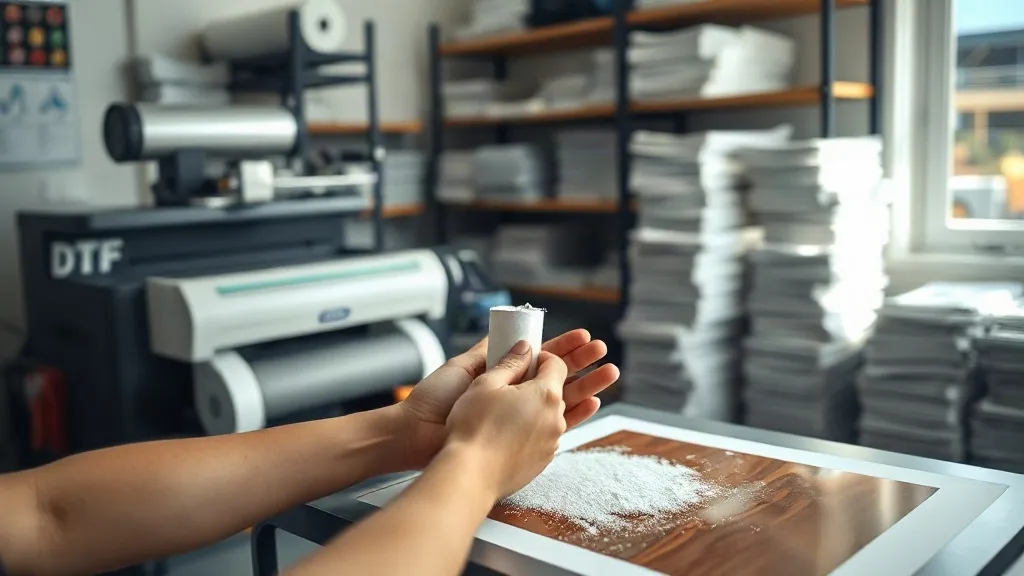
Adhesive powder is the unsung hero of dtf printing. Too little, and the transfer won't stick or will crack. Too much, and you get a stiff, plastic-like feel and excess powder that can clog your oven or contaminate your workspace. The right amount is a light, even coat that covers the wet ink but doesn't pile up.
How to Fix It
Invest in a powder shaker with a fine mesh, and apply in a circular motion from about 8-10 inches away. Gently shake off excess powder before curing. If you're using a powder machine, calibrate it regularly. And always cure according to the powder manufacturer's specs—under-curing leads to wash-out, over-curing leads to yellowing.
Mistake 3: Incorrect Curing Temperature and Time
Curing is where many beginners go wrong. If the powder isn't fully melted, the transfer will fail in the wash. If it's overheated, the film can warp or the ink can become brittle. The sweet spot depends on your powder and oven, but most powders cure between 320°F and 350°F (160°C-175°C) for 2-3 minutes. However, always follow the specific instructions for your materials.
How to Fix It
Use an infrared thermometer to verify your oven's actual temperature, as dials can be off. Do a test cure with a small piece and check for a smooth, glossy finish. If it's still powdery, increase time or temperature slightly. Keep a log of settings that work for each powder brand.
Mistake 4: Pressing with Wrong Pressure or Temperature
When applying the transfer to the garment, pressure and temperature are critical. Too little pressure and the transfer won't adhere; too much and you'll get a hard, shiny finish or even scorch the fabric. Similarly, temperature that's too low results in poor adhesion, while too high can melt synthetic fabrics.
How to Fix It
Always check the fabric's heat tolerance. For cotton, 320°F-340°F with medium pressure for 10-15 seconds is typical. For blends, lower to 300°F-320°F. Use a heat press with consistent pressure, and always peel the film according to the film type (hot peel vs. cold peel). If you're unsure, test on a scrap piece of the same fabric.
Mistake 5: Ignoring Storage and Handling of Transfers
DTF transfers are sensitive to moisture, heat, and dust. If you store them in a humid area or expose them to direct sunlight, the powder can absorb moisture and become sticky or clumpy, leading to application problems. Also, stacking transfers without protective sheets can cause the powder to transfer onto the film backing, ruining the design.
How to Fix It
Store transfers in a cool, dry place, ideally in a sealed container with silica gel packets. Keep them flat and use a protective sheet between each transfer. If you're in a humid climate, consider a dehumidifier for your storage area. And always use transfers within the recommended shelf life (usually 6-12 months).
Mistake 6: Not Testing Wash Durability
You might produce a beautiful transfer, but if it doesn't survive the wash, you'll be dealing with returns and bad reviews. Common issues include cracking, fading, or peeling after a few washes. This usually stems from under-curing, insufficient pressure, or using the wrong powder for the fabric type.
How to Fix It
Always do a wash test on a sample before committing to a large order. Wash the garment inside out in cold water and tumble dry low. Check for adhesion and color vibrancy. If it fails, adjust your curing or pressing parameters. Also, educate your customers on proper care: wait 24 hours before washing, turn inside out, and avoid bleach.
Mistake 7: Overlooking the Importance of a Good Heat Press
A cheap or inconsistent heat press can undo all your hard work. Uneven pressure or temperature fluctuations lead to inconsistent results. If you're serious about dtf transfers, invest in a reliable press with digital controls and a pressure gauge.
How to Fix It
If you're on a budget, at least calibrate your press regularly using a pressure sensor and infrared thermometer. Consider a used commercial-grade press over a new hobbyist one. And always allow the press to heat up fully before use.
Mistake 8: Neglecting Printer Maintenance
Your DTF printer needs regular care to produce consistent transfers. Clogged nozzles, dirty capping stations, and old ink can cause banding, missing colors, and poor adhesion. Skipping maintenance is a false economy.
How to Fix It
Follow the manufacturer's maintenance schedule: daily nozzle checks, weekly cleaning of the capping station and wiper, and monthly flushing if not in daily use. Use high-quality ink and film designed for DTF. Keep a log of maintenance activities.
Mistake 9: Ignoring the Environment
Temperature and humidity affect ink drying, powder adhesion, and film handling. In a dry environment, static can cause powder to fly everywhere; in a humid one, powder can clump. Ideally, keep your print area between 68°F and 75°F (20°C-24°C) with 40-60% relative humidity.
How to Fix It
Use a hygrometer to monitor conditions. If needed, add a humidifier or dehumidifier. Avoid placing your printer near drafts or heat sources. And let freshly printed film sit for a moment before powdering to allow ink to settle.
Mistake 10: Not Calculating Your True Costs
Many small shops underprice their transfers because they forget to factor in all costs: ink, film, powder, labor, electricity, and waste. If you're not tracking these, you might be losing money on every job.
How to Fix It
Create a spreadsheet that includes all consumables and overhead. Calculate the cost per transfer based on your average yield. Then add your desired profit margin. Review your pricing regularly and adjust as supply costs change. Also, track your waste rate—if it's above 10%, investigate why.
Frequently Asked Questions
How can I find reliable dtf transfers near me?
Start by searching online for local print shops that offer DTF services, but don't just rely on search results. Check reviews, ask for samples, and visit in person if possible. Look for shops that use quality equipment and can explain their process. If you're in a remote area, many reputable online suppliers provide fast shipping, so consider them as well. The key is to test a small order before committing to a large one.
What's the most common cause of DTF transfers cracking after washing?
Under-curing is usually the culprit. If the powder isn't fully melted, the transfer won't bond properly to the fabric. Other causes include insufficient pressure during application or using the wrong powder for the fabric type. Always follow the curing and pressing guidelines for your specific materials, and do a wash test before selling.
Can I use DTF transfers on dark and light fabrics?
Yes, one of the biggest advantages of DTF is that it works on both light and dark fabrics, including cotton, polyester, and blends. The white ink layer in DTF provides opacity, so colors remain vibrant on dark backgrounds. However, you may need to adjust your color profiles slightly for different fabric colors to ensure accuracy.
How long do DTF transfers last?
When properly applied and cared for, DTF transfers can last as long as the garment itself, often 50+ washes. To maximize durability, wait 24 hours before washing, turn the garment inside out, use cold water, and avoid harsh detergents. Proper storage of unused transfers also extends their shelf life.
Is DTF more cost-effective than screen printing for small batches?
Absolutely. DTF has no setup costs like screens, so it's ideal for small runs, samples, and one-offs. For large orders, screen printing may be cheaper per unit, but DTF offers flexibility and quick turnaround. Many shops use both, choosing the method based on order size and design complexity.