
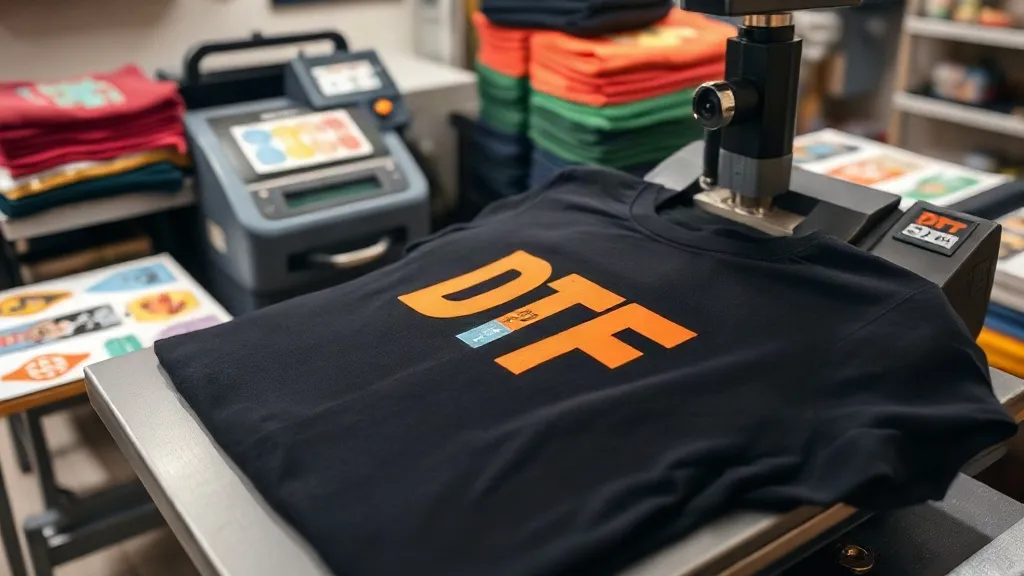
When it comes to producing high-quality DTF (Direct to Film) prints that last, the blank you choose is just as important as the transfer itself. Among the many options available, shaka wear has earned a solid reputation in print shops for its consistent quality, heavyweight fabrics, and excellent print compatibility. But even the best blanks require proper handling to achieve flawless results. In this guide, we'll share practical tips and insights to help you optimize your DTF printing process with Shaka Wear tees, from fabric preparation to pressing and troubleshooting. Whether you're new to DTF or looking to refine your workflow, these tips will help you deliver outstanding prints that keep customers coming back.
Why Shaka Wear Blanks Shine for DTF Printing
Shaka Wear is known for its premium heavyweight cotton tees, often 6.5 oz and above, which provide a substantial canvas for DTF transfers. The tight knit and smooth surface of these blanks allow for excellent adhesion and vibrant color reproduction. Unlike some lighter fabrics that may require special handling, Shaka Wear tees are robust enough to withstand the heat and pressure of DTF pressing without scorching or excessive shrinkage. Additionally, their consistent sizing and cut make them a reliable choice for bulk orders, reducing waste and reprints. For print shops, this reliability translates to faster turnaround times and happier customers.
Preparing Shaka Wear Blanks for DTF Transfers
Proper preparation is the foundation of a durable DTF print. Shaka Wear blanks may arrive with sizing or minor wrinkles, so it's essential to pre-treat them correctly. Start by pre-pressing each garment for 5-10 seconds at 330°F (165°C) to remove moisture and wrinkles. This step also helps open up the fabric fibers, promoting better adhesion. Avoid using fabric softeners or ironing aids, as they can leave residues that interfere with the transfer. If you're using a DTF Gangsheet Builder to create custom gangsheets, ensure your designs are properly mirrored and printed with high-quality DTF ink and powder. Remember, a clean, dry, and smooth surface is key to a successful press.
Choosing the Right DTF Transfer for Shaka Wear
Not all DTF transfers are created equal. When ordering or producing transfers for Shaka Wear blanks, opt for high-resolution prints with even powder application. The heavyweight nature of Shaka Wear tees means they can handle slightly thicker transfers without feeling stiff. However, for large solid areas, consider using a finer powder to maintain a soft hand feel. If you're using a DTF Gangsheet Builder, you can easily arrange multiple designs on a single sheet, maximizing efficiency and reducing waste. Always test a sample press to ensure the transfer bonds well and stretches with the fabric.
Heat Press Settings for Shaka Wear DTF
Shaka Wear's heavyweight cotton requires slightly different press settings compared to lighter fabrics. Here are recommended starting points:
- Temperature: 330°F (165°C) for cotton and cotton blends. For 100% cotton, you can go up to 340°F (170°C) if needed, but avoid exceeding 350°F to prevent scorching.
- Pressure: Medium to firm pressure (around 40-60 PSI). Ensure even pressure across the platen.
- Time: 15-20 seconds for the initial press. Peel hot or cold depending on the transfer type; most DTF transfers are hot peel.
- Second press: After peeling, press again for 5-10 seconds with a Teflon sheet or parchment paper to smooth the print and ensure full adhesion.
Always perform a test press on a scrap piece of Shaka Wear fabric to dial in your settings. Keep a log of your settings for different fabric colors and styles, as dark garments may require slightly longer pressing times.
Common DTF Pressing Issues and Fixes
Even with the best blanks, issues can arise. Here are some common problems and how to address them:
- Transfer not adhering: Increase pressure or temperature slightly, or extend press time. Ensure the garment is completely dry before pressing.
- Print cracking after washing: This often indicates insufficient pressure or time. Try a second press or use a higher pressure setting. Also, ensure the transfer is properly cooled before stretching.
- Color fading: Use high-quality DTF ink and powder, and avoid over-pressing which can degrade the ink. Store transfers in a cool, dry place.
- Stiff hand feel: Reduce powder application or use a finer powder. For large designs, consider using a lower temperature and longer press time to allow the powder to melt evenly.
By troubleshooting systematically, you can quickly resolve issues and maintain consistent quality.
Maximizing Efficiency with DTF Gangsheets
For busy print shops, efficiency is paramount. Using a DTF Gangsheet Builder allows you to combine multiple designs onto a single sheet, reducing film waste and press time. When preparing gangsheets for Shaka Wear orders, group designs by similar colors and sizes to streamline the pressing process. Nest designs closely but leave enough space for easy cutting. Remember to mirror your designs and ensure proper spacing for powder application. With a well-organized gangsheet, you can produce dozens of transfers in one print run, significantly boosting productivity.
Durability and Care: Ensuring Long-Lasting Prints
Shaka Wear blanks are built to last, and with proper care, your DTF prints will too. Advise your customers to wash garments inside out in cold water and tumble dry low. Avoid ironing directly over the print and refrain from using bleach or fabric softeners. For extra protection, you can apply a heat transfer vinyl (HTV) over the print, but this is optional. Testing wash durability is crucial: conduct a wash test on a sample print to ensure it withstands at least 20 washes without fading or cracking. Document your results and adjust your process as needed.
Case Study: A Print Shop's Success with Shaka Wear
One print shop we spoke with switched to Shaka Wear blanks for their DTF orders and saw a 30% reduction in reprints due to better fabric consistency. They also streamlined their workflow by using a DTF Gangsheet Builder to batch orders, cutting production time by 20%. By dialing in their press settings and pre-pressing each garment, they achieved vibrant, durable prints that boosted customer satisfaction. This example highlights how the right blank and process can transform your DTF operation.
Frequently Asked Questions
What heat press settings work best for Shaka Wear 100% cotton tees?
For Shaka Wear 100% cotton tees, start with 330°F (165°C), medium-firm pressure, and 15-20 seconds. Pre-press for 5-10 seconds to remove moisture. Adjust temperature up to 340°F if needed, but avoid exceeding 350°F to prevent scorching. Always test on a scrap piece first.
Can I use DTF transfers on Shaka Wear blends?
Yes, DTF transfers work well on Shaka Wear blends, such as 50/50 cotton-poly. Use slightly lower temperature (320°F) and ensure the blend is smooth. The synthetic content may require a bit more pressure for adhesion, but the process is similar.
How do I prevent DTF prints from cracking on Shaka Wear heavyweight tees?
Cracking usually results from insufficient pressure or time. Ensure firm, even pressure and press for the full recommended time. After peeling, do a second press for 5-10 seconds. Also, avoid stretching the print while hot and wash inside out in cold water.
What is the best way to order custom DTF gangsheets for Shaka Wear?
Use a DTF Gangsheet Builder to upload and arrange your designs. Group by size and color, mirror designs, and ensure high resolution. Order sheets that fit your press platen to minimize waste. Many suppliers offer templates to help you maximize sheet usage.