
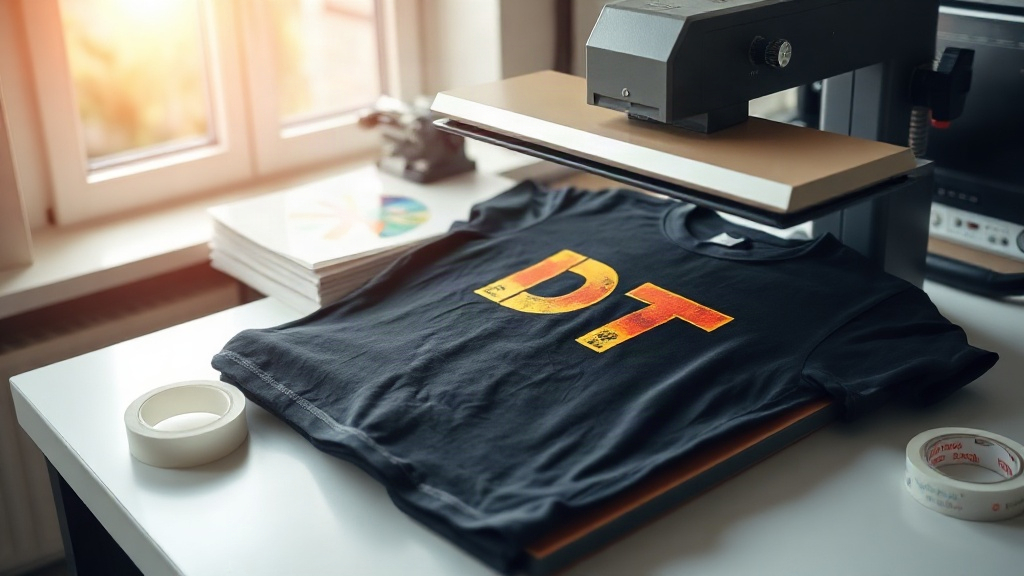
If you've been in the custom apparel game for any length of time, you've likely heard the buzz around DTF transfers. Direct-to-film printing has quickly become a go-to method for creating vibrant, durable designs on a wide range of fabrics. But what exactly are DTF transfers, and why are they gaining so much traction? In this guide, we'll dive deep into the world of DTF printing, from the science behind it to practical tips for applying them like a pro. Whether you're a small business owner looking to expand your product offerings or a DIY enthusiast wanting to personalize your own gear, understanding DTF transfers can open up a world of creative possibilities.
What Are DTF Transfers?
DTF transfers are a type of heat-applied graphic produced through a digital printing process. The design is printed onto a special PET film using water-based inks, then coated with a thermoplastic adhesive powder. Once the powder is cured, the transfer is ready to be applied to fabric using a heat press. The result is a soft, stretchable, and highly detailed print that adheres well to cotton, polyester, blends, and even some synthetic materials. Unlike traditional screen printing, DTF doesn't require color separation or setup fees, making it ideal for short runs and intricate designs.
Why Choose DTF Transfers Over Other Methods?
There are several compelling reasons why DTF transfers have become a favorite among decorators. Let's break down the key advantages.
Vibrant Colors and Fine Details
DTF printing uses a CMYK + white ink system, which allows for incredibly vibrant colors and smooth gradients. Because the white ink acts as a base, designs can be printed on both light and dark garments without losing brightness. Fine lines, small text, and photographic images come out sharp and true to the original artwork.
Versatility Across Fabrics
One of the biggest pain points in apparel decoration is fabric compatibility. Vinyl and screen printing have limitations, but DTF transfers adhere beautifully to cotton, polyester, nylon, leather, and more. This makes them perfect for everything from t-shirts and hoodies to tote bags and denim jackets. If you're looking to offer a one-stop solution for diverse client needs, DTF is a strong contender.
Durability and Stretch
A common concern with heat transfers is cracking or peeling over time. DTF transfers are known for their durability. The adhesive powder creates a strong bond with the fabric, and the ink layer remains flexible, so it stretches with the garment without cracking. With proper care, a DTF-printed shirt can last as long as the shirt itself.
Cost-Effective for Small Batches
Traditional screen printing requires separate screens for each color, which can be costly for small orders. DTF transfers eliminate that expense. You can print a single transfer or hundreds at a similar cost per unit, making them ideal for samples, personalized items, or small business runs.
How to Apply DTF Transfers: A Step-by-Step Guide
Applying DTF transfers is straightforward, but following the correct steps ensures a professional, long-lasting result. Here's what you need to know.
What You'll Need
- Heat press (or a home iron with no steam)
- DTF transfer
- Garment (preferably pre-pressed to remove moisture)
- Heat-resistant tape (optional)
- Parchment paper or Teflon sheet
Step 1: Prepare Your Workspace
Set your heat press to the recommended temperature, typically around 325°F (160°C). Pre-press the garment for a few seconds to remove wrinkles and moisture. This step is crucial because any moisture can interfere with adhesion.
Step 2: Position the Transfer
Place the DTF transfer on the garment with the printed side facing up. If you're using a heat press, you can secure it with heat-resistant tape to prevent shifting. For intricate designs, take your time to align it perfectly.
Step 3: Apply Heat and Pressure
Cover the transfer with parchment paper or a Teflon sheet. Press down with medium to firm pressure for 10-15 seconds. If you're using an iron, press firmly and move in slow circles, applying even heat. Avoid steam.
Step 4: Peel the Film
DTF transfers are typically cold peel or warm peel. Check your supplier's instructions. For cold peel, allow the transfer to cool completely before peeling. For warm peel, wait a few seconds until it's cool enough to touch but still warm. Peel the film off in a smooth, consistent motion.
Step 5: Post-Press for Durability
For added durability, cover the design with parchment paper and press again for 5-10 seconds. This helps the adhesive fully set into the fabric.
Common Mistakes to Avoid with DTF Transfers
Even though DTF is forgiving, a few missteps can ruin your results. Watch out for these pitfalls.
Using Too Much Heat
Excessive heat can cause the film to melt or the adhesive to burn, leading to a failed transfer. Always stick to the recommended temperature range.
Not Pre-Pressing the Garment
Skipping pre-pressing can trap moisture, which turns to steam during application and prevents proper adhesion. Always pre-press for at least 5 seconds.
Peeling Too Soon or Too Late
Peeling at the wrong temperature can cause the design to lift or leave residue. Follow the peel type specified by your transfer provider.
Ignoring Care Instructions
To keep your DTF-printed apparel looking great, wash inside out in cold water and avoid harsh detergents. Tumble dry on low or hang dry. Avoid ironing directly on the print.
DTF Transfers vs. Other Decoration Methods
How do DTF transfers stack up against vinyl, screen printing, and DTG? Here's a quick comparison.
DTF vs. Heat Transfer Vinyl (HTV)
HTV is great for simple shapes and text, but it can't handle complex gradients or fine details. DTF excels at full-color, photographic designs and doesn't require weeding, saving time and labor.
DTF vs. Screen Printing
Screen printing is cost-effective for large orders of simple designs, but it's limited in color complexity and fabric types. DTF offers more flexibility and no minimums, making it better for small batches and detailed artwork.
DTF vs. Direct-to-Garment (DTG)
DTG prints directly onto the garment, which can be limiting for dark colors and certain fabrics. DTF transfers can be applied to almost any fabric and color, and they often have a softer feel.
Tips for Getting the Best Results with DTF Transfers
To elevate your DTF game, keep these expert tips in mind.
- Choose quality transfers: Not all DTF transfers are created equal. Source from reputable suppliers like DTF Pro Print for consistent results.
- Store transfers properly: Keep unused transfers in a cool, dry place away from direct sunlight to prevent the adhesive from degrading.
- Test on scrap fabric: Before applying to a final garment, do a test press to dial in your temperature and pressure.
- Use a heat press: While an iron can work in a pinch, a heat press provides even pressure and consistent temperature, which are key for professional results.
- Experiment with fabrics: DTF works on many materials, so don't be afraid to try it on canvas, denim, or even leather.
Frequently Asked Questions About DTF Transfers
How long do DTF transfers last on a shirt?
With proper application and care, DTF transfers can last for the lifetime of the garment. They are resistant to cracking, peeling, and fading when washed inside out in cold water and dried on low heat.
Can I use DTF transfers on polyester?
Yes, DTF transfers adhere well to polyester and polyester blends. However, because polyester is heat-sensitive, you may need to lower the temperature slightly to avoid scorching. Always test first.
Do I need a special printer to make DTF transfers?
Yes, DTF printing requires a dedicated DTF printer that uses pigment inks and a powder shaker. However, you can purchase ready-made DTF transfers from suppliers if you don't want to invest in the equipment.
What's the difference between DTF and DTG?
DTF (Direct-to-Film) involves printing onto a film and then transferring to the garment, while DTG (Direct-to-Garment) prints directly onto the fabric. DTF is more versatile across fabric types and colors, while DTG is limited mainly to cotton and requires pre-treatment for dark shirts.
How do I store unused DTF transfers?
Store them flat in a cool, dry place, away from direct sunlight and moisture. Keep them in a sealed bag or container to prevent dust and humidity from affecting the adhesive.
Whether you're a seasoned decorator or just starting out, DTF transfers offer a powerful way to bring your designs to life. With their vibrant colors, durability, and ease of use, they're a valuable addition to any apparel decoration toolkit. Explore the possibilities and see how DTF can elevate your custom creations.